What movers do, what costs extra, and what they won't take
6 min read · updated 2026-10-08
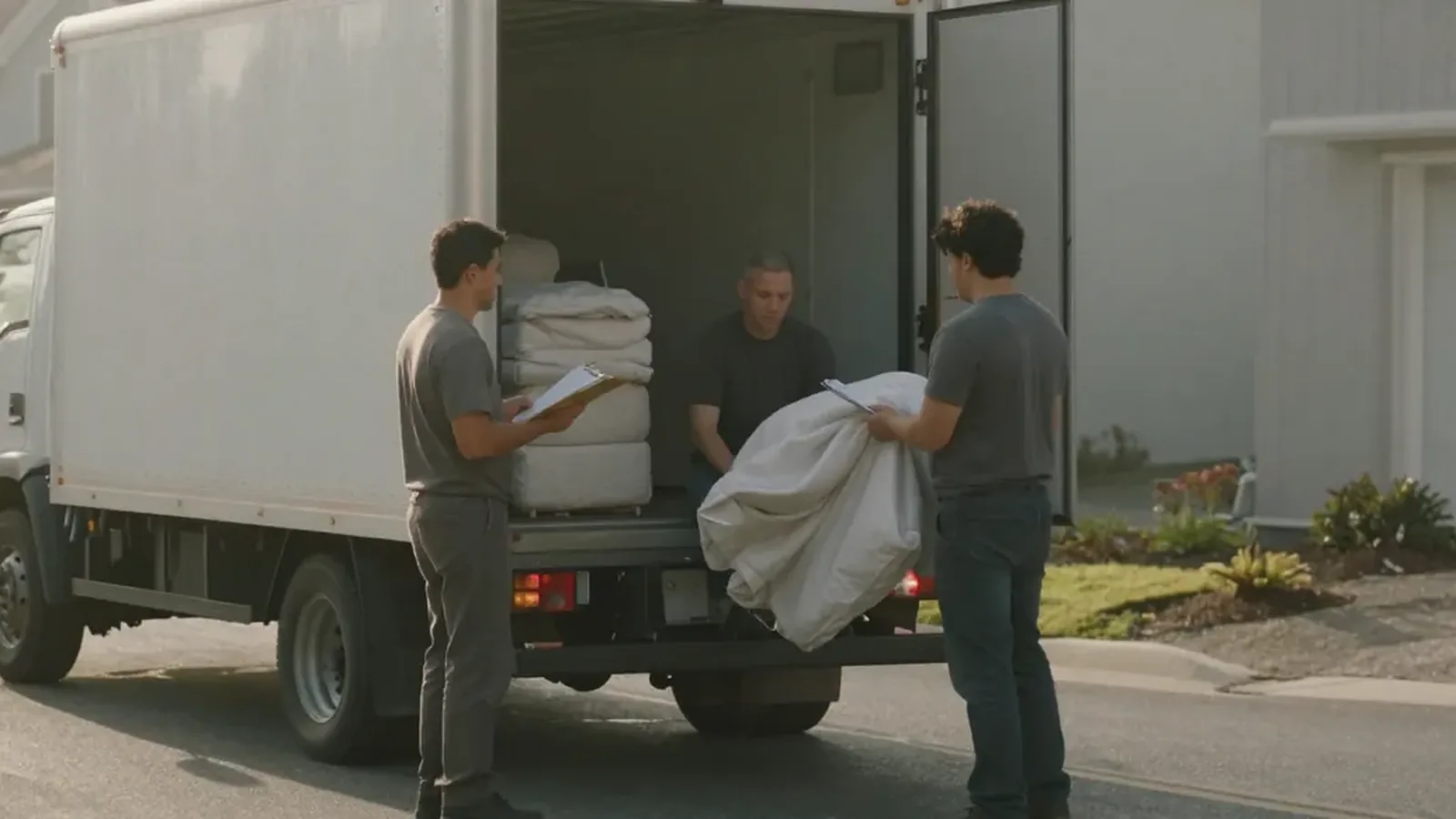
An interstate mover loads, drives and unloads. Packing, unpacking, taking furniture apart, appliance servicing and stairs are extra services priced in its tariff, and they belong on the written estimate. Hazardous materials can't go in your boxes without telling the mover, and plants can face inspection at a state line.
Most questions about what movers do have the same answer: they can, for a price, and the price belongs on the written estimate. Federal rules call anything beyond the move itself an accessorial service, and each mover's tariff sets what it costs.
What the basic price covers
Loading at your home, the trip, and unloading at the new one. On an interstate move that price follows the weight or volume of what you ship and how far it goes, at the rates in the mover's tariff. You are entitled to see the parts of the tariff your estimate uses.
What costs extra
- Packing and unpacking. The crew packs your boxes, or unpacks them at the other end. FMCSA lists both as accessorial services, alongside appliance servicing and piano carrying.
- Taking furniture apart and putting it back together. Beds, tables and wardrobes that won't fit through a door. Each mover's tariff sets whether this is included or charged, so ask, and have it written on the estimate item by item.
- Appliances. Getting a washer, dryer or refrigerator ready to travel is appliance servicing. If a third party does it, the mover pays them and adds the cost to your bill as an advanced charge. Reconnecting water or gas at the new home is plumbing or gas work: ask who does it before moving day.
- TVs on wall mounts. Taking a TV off the wall is a separate job from moving it. Ask whether the crew will do it, and whether a TV box or crate costs extra.
- Stairs, elevators and long carries. Carrying things up or down stairs carries a flight charge, and elevators and a long walk from the truck to the door are priced the same way.
- A smaller truck for a tight street. If the big truck can't reach your door, the mover may need a shuttle vehicle or extra crew. Its tariff calls this an impracticable operation, and you can be charged for it even if you did not ask for it.
What a mover can refuse, and what you must declare
The tariff also sets what a mover will carry at all. Ask before you assume, especially about these:
- Hazardous materials. Federal law forbids shipping them in your household goods boxes without telling the mover. If something is flammable, pressurized or corrosive, ask before it goes in a box.
- Food and other perishables. Packing perishable, dangerous or hazardous items without the mover's knowledge can limit its liability for the loss or damage that follows.
- Plants. States set their own rules for plants coming in. California, for example, says house plants are eligible for inspection at its border stations, and strongly discourages bringing in citrus, pine, and fruit and nut trees unless every quarantine provision can be met. Check the agriculture department of the state you are moving to, and ask whether the mover takes plants at all.
- Outdoor items leaving a spongy moth quarantine area. Grills, bicycles, boats, outdoor furniture and toys, garden tools and tents can't be moved out of a federally quarantined area unless they have been inspected. You can do it yourself with USDA's checklist, and the signed checklist travels with the items. (The federal rule still calls the insect the gypsy moth.)
- Valuables. With full value protection, the mover can limit its liability for anything worth more than $100 a pound, such as jewelry, silverware, china, furs, antiques and oriental rugs, unless you list it on the shipping documents. Keep cash and documents with you.
Storage
Movers can hold your belongings between pickup and delivery. Storage that is part of the move is storage-in-transit, and the mover stays liable while it lasts. When it ends it converts to permanent storage with the warehouse, and the mover's liability ends. A pickup from a storage unit as well as your home is an extra stop, priced as a service: put it on the estimate.
Moving one item
You can hire an interstate mover for a single piece, but the bill of lading lists minimum weight or volume charges for the shipment, so one sofa can be billed at the minimum rather than at what it weighs. Ask what the minimum is before you compare it with a freight or shipping service.
Find licensed movers for your move
See which companies hold active federal authority to move you and what moves like yours usually cost, then pick who quotes you.
Already have a quote? Check whether it's a normal price.
Common questions
Can movers pack for you?
Yes. Packing and unpacking are accessorial services: the crew does them for a charge set in the mover's tariff. Ask for them when you get the estimate, so they are priced in writing.
Do movers take apart and reassemble furniture?
They can. Whether it is included or charged extra depends on each mover's tariff, so ask, and have it written into the estimate item by item.
Do movers hook up washers and dryers?
Getting an appliance ready to travel is appliance servicing, which the mover may do or arrange through a third party and add to your bill. Reconnecting water or gas at the new home is plumbing or gas work: ask who does it, and what it costs, before moving day.
Can movers move plants?
Only if the mover accepts them, and the state you are moving to may inspect or restrict them. California, for example, says house plants are eligible for inspection at its border stations. Check the destination state's agriculture department first.
Can movers move stuff from a storage unit?
Yes. It is an extra pickup, priced as a service, so include it in the estimate.
Can you hire movers to move one item?
Yes, but the shipment is subject to the minimum weight or volume charges listed on the bill of lading, so a single item can cost more than its weight suggests.
What will moving companies not move?
Each mover's tariff sets what it carries. Hazardous materials can't be packed without telling the mover, perishables you pack are at your risk, plants may be refused or inspected at a state line, and outdoor items leaving a spongy moth quarantine area need an inspection first.
Sources
Every rule on this page was checked against these on 2026-10-08.
- 49 CFR 375.401: estimates and accessorial charges
- 49 CFR 375.403 and 375.405: binding and non-binding estimates
- 49 CFR 375.609: storage-in-transit
- 49 CFR Part 375, Appendix A: Your Rights and Responsibilities When You Move
- 7 CFR 301.45-4: moving outdoor household articles from a quarantined area
- California Department of Food and Agriculture: houseplants FAQ